
Knowing when to replace your HVAC system can help you avoid unexpected breakdowns and costly emergency repairs. While regular air conditioner maintenance can extend the life of your unit, every system eventually reaches a point where repairs become less practical than replacement. Paying attention to performance issues, rising costs, and the age of your equipment can help you make a proactive decision before comfort and efficiency decline.
Whether you need to replace your HVAC system or just want a professional to take a look at how it's running, we're here to help. Contact Spoor's Heating & Air Conditioning today for residential and commercial HVAC maintenance services in Meadow Vista, CA, and surrounding areas.
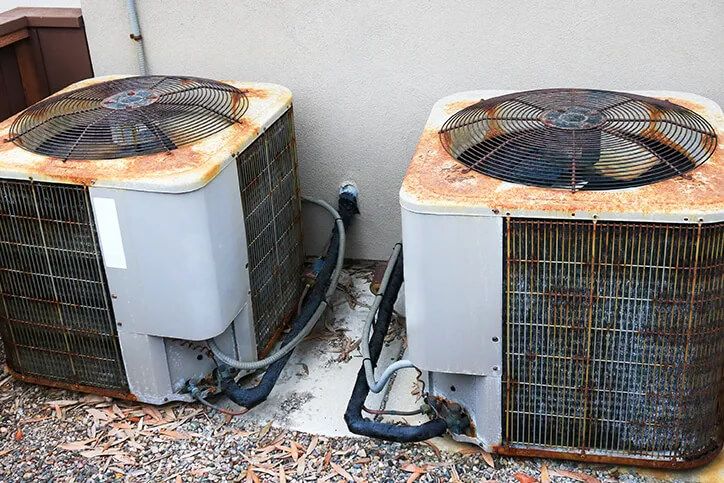
System Is Over 15 Years Old
Most HVAC systems are built to last about 12 to 15 years with consistent maintenance. In the Meadow Vista area and the surrounding communities in the Sierra Foothills, systems often run hard during hot summers and still see steady use in cooler months. Once your unit passes the 15-year mark, efficiency typically drops, and the likelihood of breakdowns increases. Even if it's still operating, an aging system may cost more to run and struggle to keep your home consistently comfortable.
Energy Bills Keep Rising
If your energy bills keep rising without a clear change in usage, your HVAC system may be losing efficiency. As equipment ages, components wear down, and the system has to work harder to maintain the same temperature. Longer run times and reduced performance can quietly drive up utility costs. If you've noticed a steady increase in your bills, it may be a sign that your system is nearing the end of its lifespan.
Frequent Repairs
If you've needed multiple repairs over the past year or two, your HVAC system may be nearing the end of its lifespan. While occasional service calls are normal, repeated breakdowns can signal deeper mechanical wear. As parts begin to fail more often, repair costs add up quickly. At a certain point, investing in a new system becomes more practical than continuing to fix an aging one.
System Uses R-22 Refrigerant
If your HVAC system uses R-22 refrigerant, it's a sign that you should consider AC replacement. R-22 refrigerant was phased out in 2020 due to environmental regulations, which means it is no longer produced and has become increasingly expensive to source. If your system develops a refrigerant leak, repairs can be costly and difficult. Upgrading to a newer unit that uses current refrigerants can improve efficiency and eliminate the risk of rising R-22 costs.
Runs Constantly Without Cooling
If your system runs constantly but your home still doesn't feel cool, it may no longer be operating efficiently. An HVAC unit should cycle on and off once it reaches the set temperature. When it runs for extended periods without achieving that goal, it can indicate reduced performance or internal wear. Continuous operation not only increases energy costs but can also signal that the system is nearing the end of its service life.
Short Cycling
If you notice your HVAC system switching on and off frequently throughout the day, it could be short cycling. Instead of completing a full heating or cooling cycle, it repeatedly stops before reaching the desired temperature. This constant restarting puts extra stress on the equipment, can raise energy bills, and may lead to premature wear. It can also make it difficult to maintain a consistent indoor temperature, leaving some areas of your home feeling warmer than others or never fully comfortable. If the issue continues even after repairs, it may be a sign that replacement is the more reliable long-term option.
Loud or Unusual Noises
If your HVAC system starts making loud or unusual noises, it may be a sign that internal components are wearing out. Banging, grinding, squealing, or rattling sounds are not normal during regular operation. These noises can indicate issues with the motor, blower, compressor, or other moving parts. While some sounds may be repairable, persistent or worsening noise in an older system can signal deeper mechanical problems. If major components are failing, replacing the system may be more cost-effective than continuing to repair it.
Breaker Trips When System Runs
If your circuit breaker trips every time the HVAC system runs, it may be drawing more power than it should. This can happen when internal components, such as the compressor or blower motor, begin to fail and place extra strain on the electrical system. While a single trip could be a minor issue, repeated breaker trips are a sign that something more serious may be happening. Electrical strain can indicate declining efficiency or major component wear. If the problem persists after repairs, replacement may be the safer and more cost-effective long-term solution.
Frozen Evaporator Coil
If your evaporator coil freezes over, your HVAC system will struggle to cool your home effectively. Ice buildup restricts airflow and prevents the coil from properly absorbing heat. This can lead to weak cooling, longer run times, and increased strain on the system. A frozen evaporator coil is often caused by low refrigerant, airflow restrictions, or internal component issues. While it can sometimes be repaired, recurring freezing can damage the compressor and other major parts. If the problem continues despite service, replacement may be a more reliable solution than repeated repairs.
Outdated SEER Rating
If your HVAC system has an outdated SEER rating, it may be operating far less efficiently than newer models. SEER, which stands for Seasonal Energy Efficiency Ratio, measures how efficiently an air conditioner cools your home over a typical season. Older systems often have significantly lower SEER ratings than current standards, meaning they use more energy to produce the same level of cooling. Upgrading to a higher-efficiency unit can reduce energy consumption, lower monthly utility costs, and provide more consistent performance.
Frequent Refrigerant Leaks
If your HVAC system has frequent refrigerant leaks, it may struggle to cool your home properly. Refrigerant is essential for absorbing heat and producing conditioned air, so when levels drop, performance declines. You might notice longer run times, reduced cooling, or higher energy bills as the system works harder to compensate. While a single leak can sometimes be repaired, repeated leaks often indicate deeper issues within the coil or line set. Continually recharging the system can become costly, and ongoing leaks can damage major components like the compressor. If refrigerant problems keep returning, replacement may be a more practical and cost-effective solution.
Schedule a Professional HVAC Evaluation
Knowing when to replace your HVAC system can save you from unexpected breakdowns, rising energy costs, and ongoing repair expenses. While many issues can be fixed with routine service, repeated performance problems or declining efficiency often signal that your system is no longer keeping up. Paying attention to these warning signs allows you to make a proactive decision instead of waiting for a complete failure during peak heating or cooling season.
If you're unsure whether repair or new AC installation makes more sense, our skilled HVAC technicians can help you understand the condition of your system and your options moving forward. Replacing your HVAC unit at the right time can improve comfort, lower energy bills, and provide greater reliability for years to come. If your system starts to show warning signs, don't hesitate to contact the professionals. Call Spoor's Heating & Air Conditioning today for professional HVAC services in Meadow Vista, CA, and surrounding areas in Northern California.